
Britsino Casino and GamStop: Why It Is Not Listed and What That Means for UK Players
 Available in GB

Every week I review at least two or three offshore casinos that UK players ask me about, and the same question comes up almost every time: “Why isn’t this on GamStop?” With Britsino Casino, the answer is straightforward but the consequences are anything but. The UK’s black market for online gambling ballooned to an estimated £16.6 billion in 2025 — roughly triple the level recorded in 2019 — and non-GamStop operators sit right at the centre of that figure. Britsino, holding a Curaçao-issued licence rather than one from the UK Gambling Commission, falls outside the regulatory perimeter that makes GamStop participation mandatory. That single fact reshapes everything from dispute resolution to player protection, and understanding the mechanics behind it is worth more than any star rating I could assign.
This article breaks down the GamStop scheme itself, the practical consequences of playing at an operator that does not participate, and the alternative tools available to anyone who wants to set boundaries without relying on UKGC infrastructure. I have spent seven years auditing licence structures across offshore jurisdictions, and the pattern I see repeating with Britsino is one that every UK-facing player needs to grasp before depositing a single pound.
Discover everything about britsino casino here.
How GamStop Works and Why Britsino Operates Outside It
A few years ago, a reader emailed me screenshots of three different casino lobbies he could still access despite having registered with GamStop the previous month. Two of the three were Curaçao-licensed. That exchange crystallised something I now repeat in almost every compliance briefing: GamStop is a fence, not a wall, and it only surrounds operators who hold a UKGC licence.

GamStop is the UK’s national online self-exclusion scheme, launched in 2018 and operated as a not-for-profit organisation. When a person registers, every UKGC-licensed operator is legally required to block that individual from opening new accounts or placing bets. The scheme covers a minimum period of six months, extendable to one year or five years at the player’s choice. It is baked into the UKGC’s Licence Conditions and Codes of Practice — compliance is not optional for any operator holding a remote operating licence from the Commission.
Britsino Casino does not hold a UKGC licence. Holding a Curaçao authorisation rather than a UKGC licence, it falls entirely beyond the Commission’s regulatory reach. GamStop has no mechanism to communicate exclusion lists to operators that are not part of the UKGC ecosystem. Even if Britsino wanted to honour UK self-exclusion requests voluntarily, there is no technical pipeline for it to receive the data. The result is a structural gap, not a loophole that someone deliberately engineered. The Gambling Commission received £26 million in dedicated funding over three years specifically to combat unlicensed gambling activity targeting UK residents, which gives you a sense of how seriously the regulator views the scale of the problem.
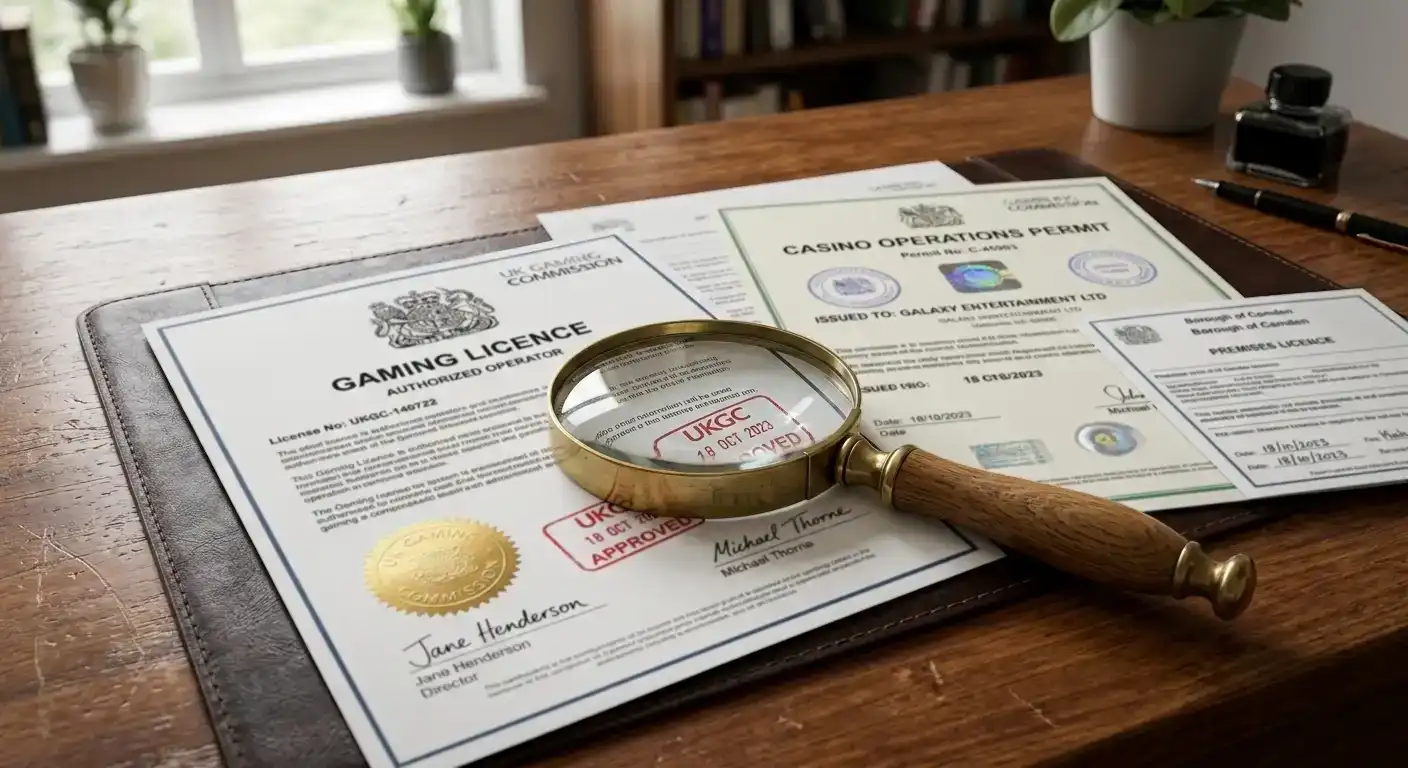
From a compliance standpoint, the situation is straightforward: GamStop covers UKGC licensees, Britsino is not a UKGC licensee, therefore GamStop does not apply. But from a player-protection standpoint, the implications are significant. Anyone who has self-excluded through GamStop and then registers at Britsino will encounter no automated barrier. The account will open, deposits will process, and no flag will be raised. That is not a feature of the system — it is the absence of a system.
I have reviewed dozens of Curaçao-licensed operators over the years, and none of them participate in GamStop. The reason is jurisdictional: the Curaçao Gaming Authority, established after the LOK reform of December 2024, does not mandate participation in foreign self-exclusion databases. The CGA’s regulatory framework is still maturing, and cross-border data sharing for player protection remains outside its current scope.
Practical Consequences for Self-Excluded Players
I once tracked a case study — anonymised, shared with the player’s permission — where someone who had been on GamStop for fourteen months deposited over £3,000 at two offshore casinos within a single weekend. Both operators processed the funds without friction. That example sits at the extreme end, but it illustrates the raw mechanics of what happens when GamStop’s perimeter does not extend to the platform you are using.

The first consequence is the obvious one: access. A self-excluded player can register, verify, and fund an account at Britsino without encountering any check against the GamStop database. There is no secondary verification layer, no cooling-off prompt, and no automated alert to the player or anyone else. The responsibility for staying away falls entirely on the individual.
The second consequence is less visible but arguably more damaging: the absence of regulatory recourse. If a UKGC-licensed casino fails to block a GamStop-registered player, that player can file a complaint with the Gambling Commission, escalate to an Alternative Dispute Resolution provider like IBAS, and potentially receive compensation. With Britsino, none of those avenues exist. The operator is not subject to UKGC sanctions, and the Curaçao Gaming Authority does not adjudicate individual UK player complaints related to foreign self-exclusion schemes. The UK Gambling Commission’s own financial risk assessment pilot, reported in May 2025, found that approximately 97 per cent of accounts that met the threshold could have a “frictionless” assessment, and that around 1 in 1,000 such accounts would experience friction — figures well below earlier government estimates. A separate YouGov poll commissioned by the Betting and Gaming Council that year found that 65 per cent of UK betting customers would refuse to provide personal financial documents if it became a requirement, which gives the licensed-vs-offshore migration concern its empirical anchor. Sarah Gardner, then Deputy Chief Executive of the Gambling Commission, framed the broader challenge at a 2026 industry event: working together rather than retreating to entrenchments means building shared understanding instead of creating mistrust. That cooperative aspiration, however, does not currently extend to offshore operators who sit outside the Commission’s jurisdiction.

The third consequence is psychological. Self-exclusion through GamStop is a deliberate act — a person deciding they need a barrier between themselves and gambling. When that barrier proves porous because offshore operators exist beyond it, the sense of personal failure can compound existing harm. NHS treatment referrals for gambling disorder doubled to 1,914 in the most recent six-month reporting period compared to 836 in the same window of 2023, and the availability of unregulated platforms is part of the wider context clinicians flag.
Self-Exclusion Alternatives When GamStop Does Not Apply
When I consult with players who are considering offshore platforms despite having self-exclusion needs, my first question is always practical: what tools can you deploy yourself, independent of any operator or regulator? The answer is more robust than most people expect, even if it requires more effort than ticking a GamStop registration box.

Network-level blocking is the most effective technical option available to individuals. Software like Gamban or BetBlocker operates at the device and network level, blocking access to thousands of gambling domains regardless of their licensing jurisdiction. Gamban covers desktop, mobile, and tablet devices and maintains a continuously updated blocklist that includes Curaçao-licensed operators. BetBlocker, a charity-funded tool, offers similar coverage at no cost. Neither relies on operator cooperation — they work by preventing the connection from reaching the casino site in the first place.
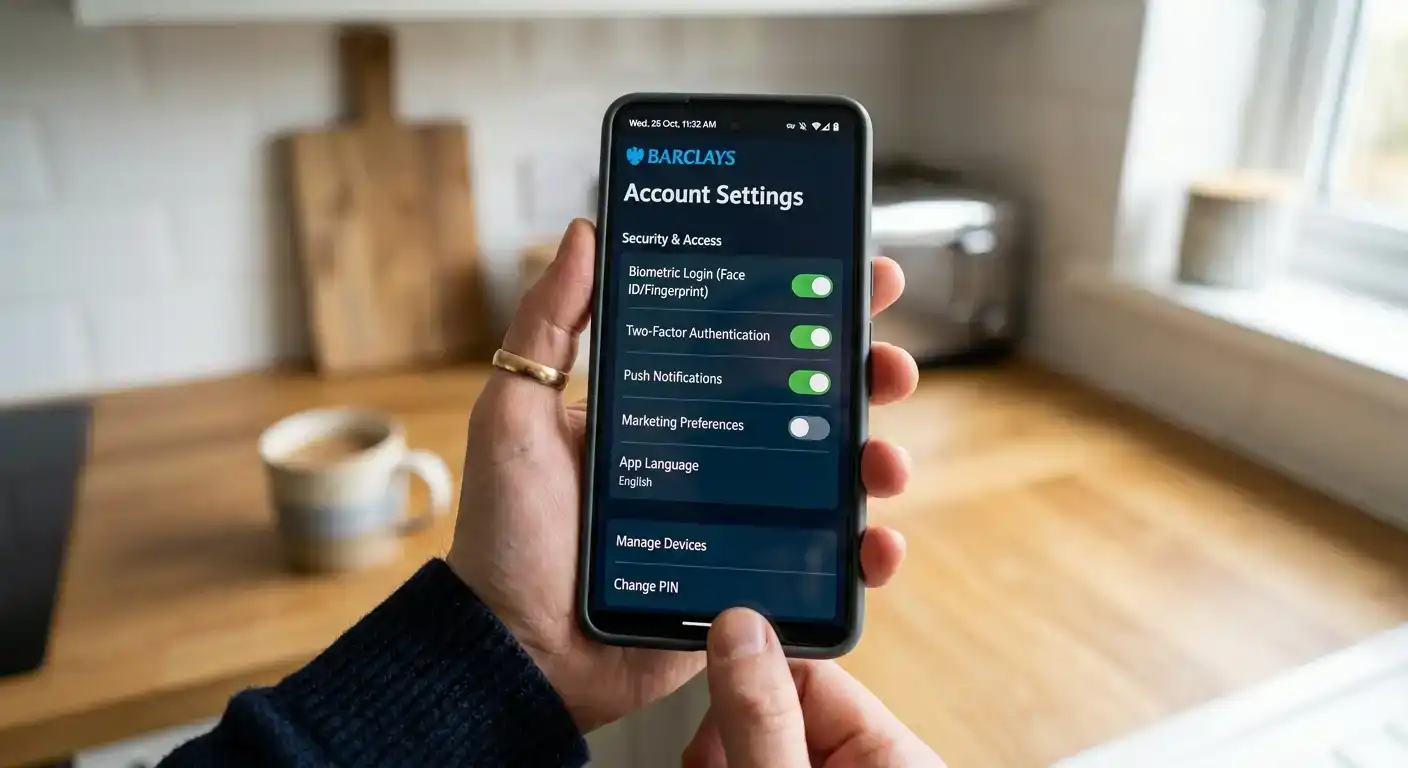
Bank-level gambling blocks are a second layer. Most major UK banks — including Barclays, Lloyds, Monzo, and Starling — allow customers to activate a gambling transaction block on their debit cards. These blocks prevent deposits to merchants classified under gambling MCC codes. The limitation is that cryptocurrency transactions and certain e-wallet transfers may bypass these blocks, since the merchant category coding does not always capture those payment routes. Still, for fiat deposits, a bank-level block adds a meaningful friction point.
Britsino itself offers some internal account controls, including deposit limits and session reminders, but these rely on the player configuring them voluntarily and the operator enforcing them consistently. I have audited the responsible gambling tools at Britsino in detail elsewhere, and while they exist on paper, their effectiveness is constrained by the absence of regulatory oversight that would mandate compliance.
For anyone experiencing active gambling harm, the National Gambling Support Network provides free, confidential support. The service has seen referral volumes grow by 12 per cent in 2025, reflecting broader awareness but also broader need. The average gambling-related debt among patients in the national treatment service exceeds £25,000 — a figure that underscores why relying on a single self-exclusion tool, when alternatives exist, is not sufficient.
Where the Responsibility Actually Sits
After years of reviewing operators that sit outside GamStop, I have come to a conclusion that will not satisfy anyone looking for a simple answer: the responsibility is distributed, not centralised. The Gambling Commission is actively pursuing unlicensed operators — 741 cease-and-desist orders were issued in the 2025-26 financial year, and over 203,000 URLs were removed from search engines. But enforcement cannot eliminate every offshore operator, especially those hosted in jurisdictions with limited cooperation agreements.
Check out our guide on Britsino Casino Payment Methods: Deposit Options, Withdrawal Times, and Crypto Walkthrough as well.

Britsino’s absence from GamStop is not an act of defiance. It is a structural consequence of operating under a different regulatory framework. That does not make the outcome acceptable from a player-protection standpoint, but it does mean that solutions need to come from multiple directions: better network-level blocking tools, stronger cross-jurisdictional data sharing, and individual awareness of what GamStop does and does not cover. The worst outcome is a player assuming GamStop is a complete shield and discovering, after the damage is done, that it only covers part of the landscape.
Can I register at Britsino Casino while self-excluded through GamStop?
Yes, technically you can. GamStop only covers operators holding a UK Gambling Commission licence. Britsino operates under a Curaçao licence and does not receive or check against GamStop exclusion lists. No automated barrier will prevent registration or deposits.
Are there any self-exclusion tools available directly at Britsino?
Britsino offers internal account controls such as deposit limits and session reminders. However, these are voluntary and depend on the player configuring them. They are not equivalent to GamStop’s mandatory scheme and lack the regulatory enforcement that UKGC-licensed operators must comply with.
Will the UK Gambling Commission take action against non-GamStop casinos?
The Commission actively pursues unlicensed operators targeting UK players. In the 2025-26 financial year, 741 cease-and-desist orders were issued and over 203,000 URLs were removed from search engines. However, enforcement cannot reach every offshore operator, and Curaçao-licensed casinos like Britsino operate outside the Commission’s direct jurisdiction.
Created by the ”Britsino Casino” editorial team.