
Britsino Casino Payment Methods: Deposit Options, Withdrawal Times, and Crypto Walkthrough
 Available in GB
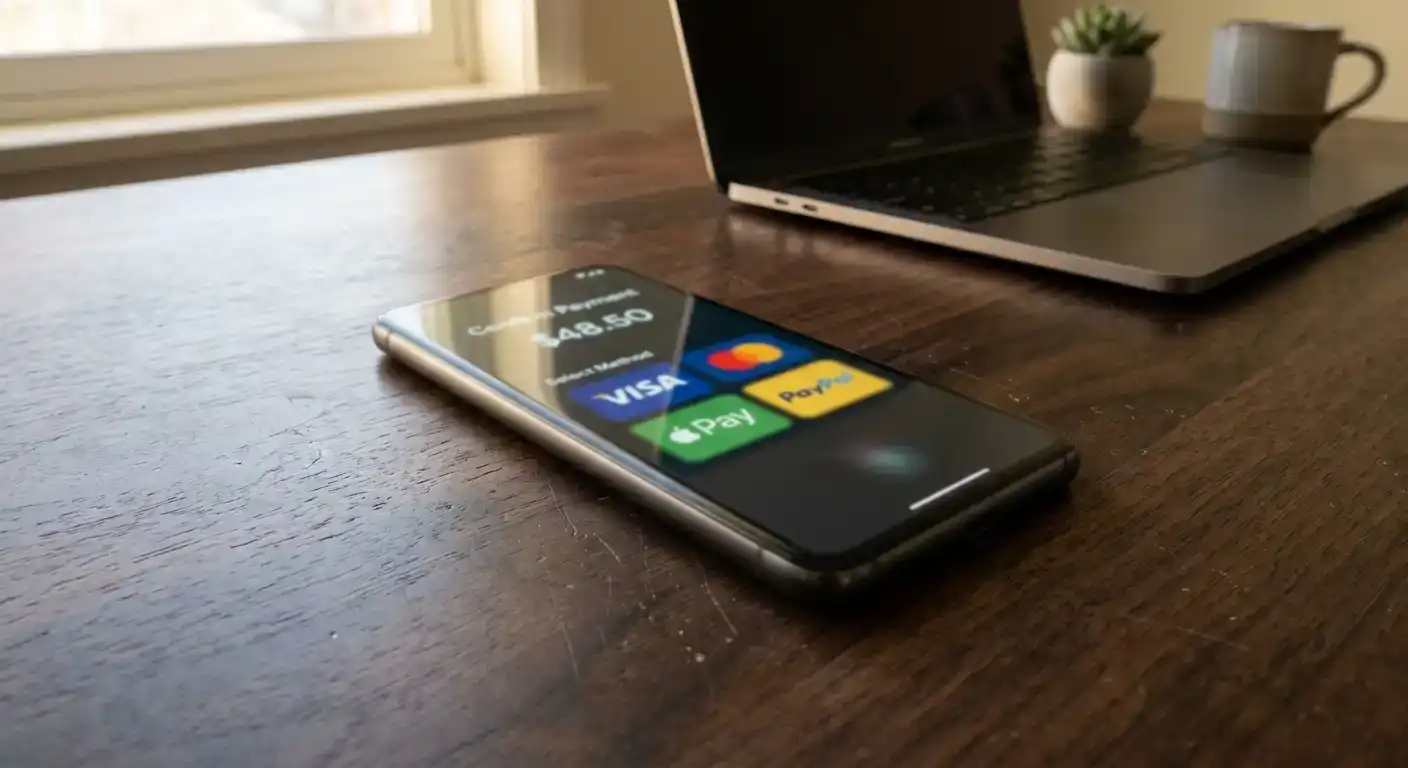
The crypto gambling market is projected to exceed $65 billion by 2026, which tells you something about how rapidly the payment landscape in online casinos has shifted. Five years ago, most players deposited with a debit card and waited three to five business days for a bank transfer withdrawal. Today, the same player might deposit in USDT, play for an hour, and withdraw in Bitcoin — all without a traditional banking intermediary touching the transaction.
Britsino Casino sits squarely in this transitional moment, offering both conventional fiat payment methods and a range of cryptocurrency options. But the breadth of the payment menu creates its own complexity. Minimum deposits differ by method. Withdrawal timelines differ by method. Fee structures are inconsistent and, in some cases, not clearly disclosed until the point of transaction. And the KYC verification process — know your customer, the identity checks operators run before releasing funds — adds a layer of delay that new players rarely anticipate.
This article maps every deposit and withdrawal pathway currently available at Britsino, with real numbers for minimums, processing times, and the hidden friction points that the operator’s payment page does not volunteer.
Find the best options for britsino casino.
Every Deposit Method at Britsino: Cards, E-Wallets, and Crypto
I once tested a deposit at an offshore casino using every available method on the same day, just to see how the experience varied. The differences were stark — not in the amount that landed in my account, but in the speed, the fees absorbed along the way, and the information the operator requested before processing. Britsino’s deposit menu follows the pattern I see across most Curaçao-licensed operators: wide selection, uneven execution.
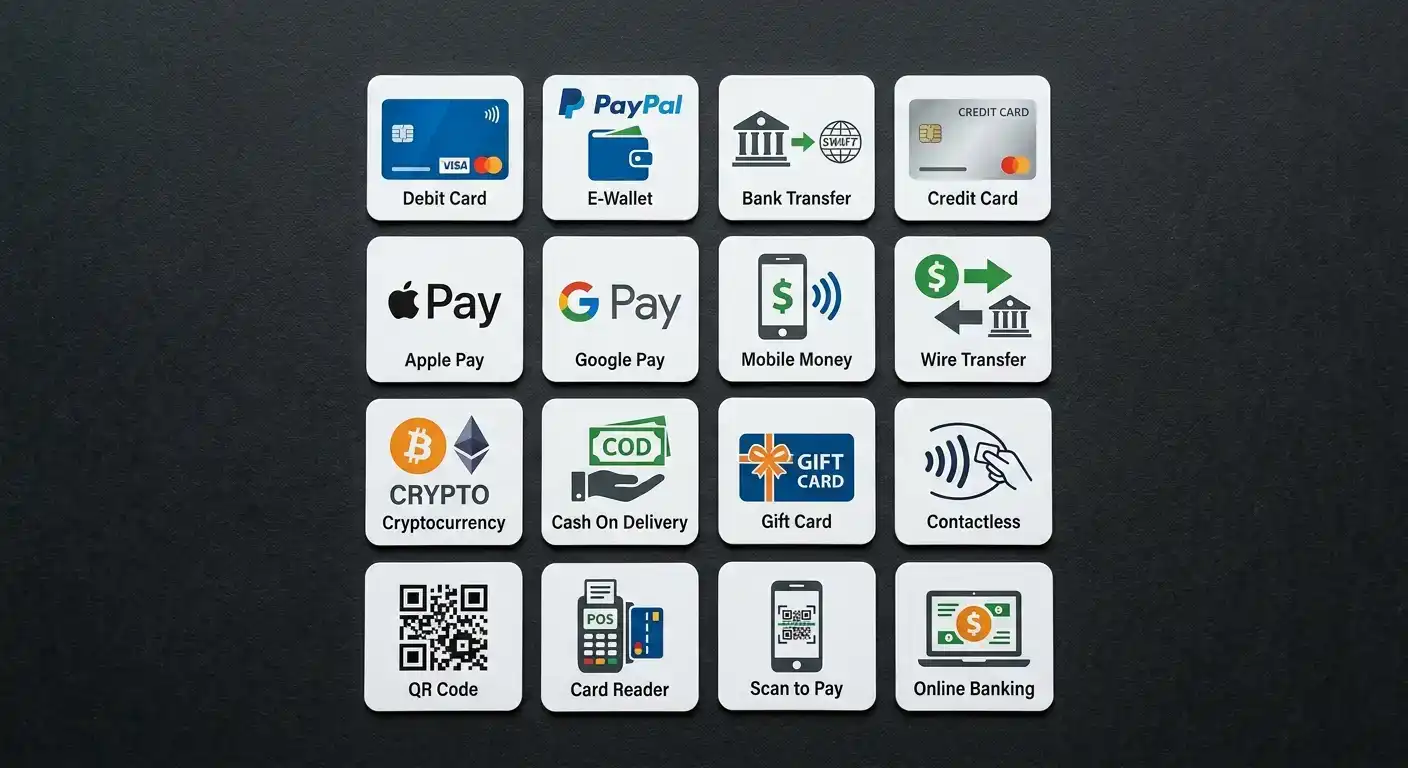
The fiat options include Visa and Mastercard debit cards, which remain the most familiar deposit method for UK players. Card deposits are typically instant, with funds appearing in the casino balance within seconds. The minimum deposit threshold across most methods sits at £20, which is consistent with the industry norm for offshore operators — UKGC-licensed casinos sometimes allow lower minimums, occasionally as little as £5 or £10.
E-wallets form the second tier. Services like Skrill and Neteller offer a layer of separation between the player’s bank account and the casino, which some players prefer for privacy or budgeting reasons. E-wallet deposits are also generally instant. The practical advantage of e-wallets over cards emerges primarily on the withdrawal side, where processing times tend to be shorter than card withdrawals. The disadvantage is the additional account setup and, in some cases, fees charged by the e-wallet provider itself — fees that are separate from anything the casino charges.
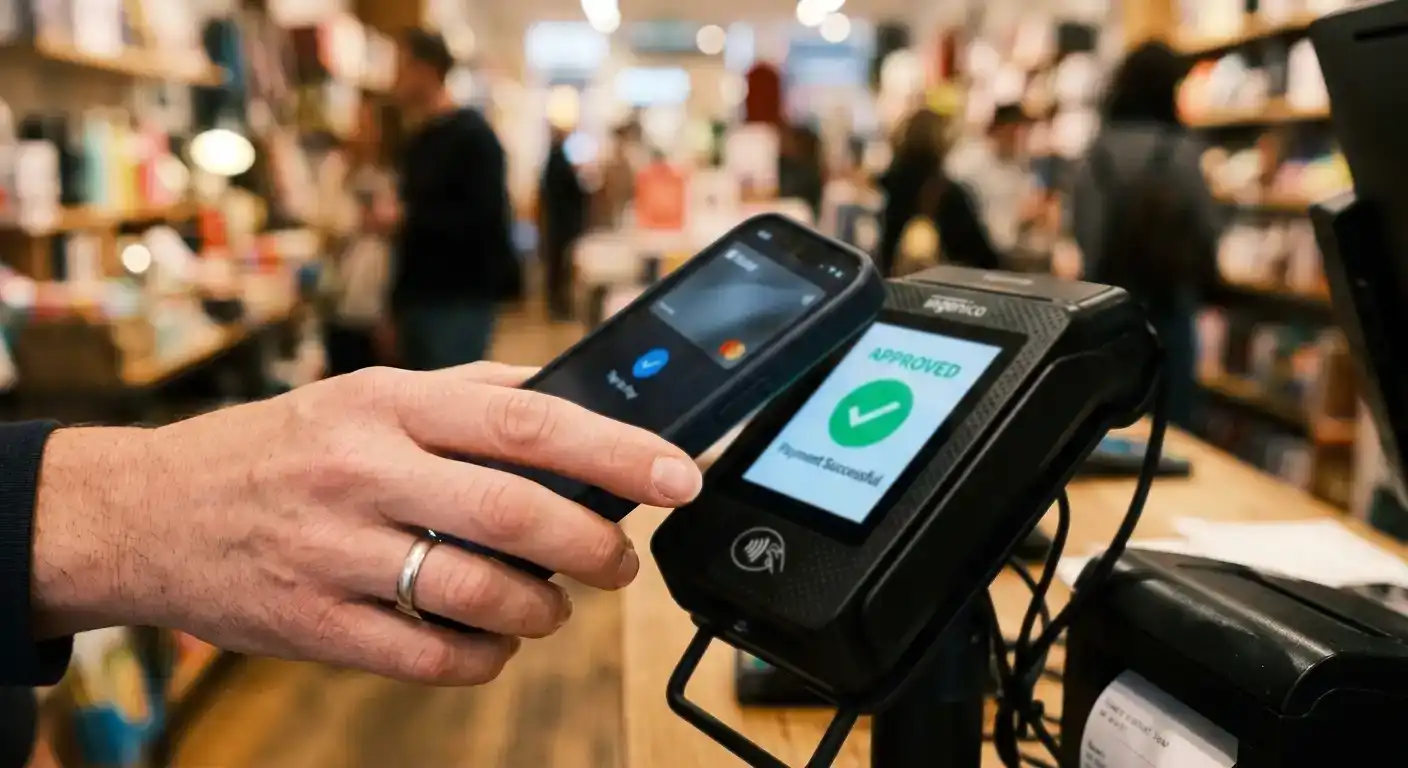
Bank transfers are available but sit at the slow end of the spectrum. Deposits via bank transfer can take one to three business days to clear, and the minimum deposit may be higher than for cards or e-wallets. For players who want their funds available immediately, bank transfers are the least practical option.
Cryptocurrency rounds out the deposit menu and deserves its own section below, given the complexity of the process and the distinct risk profile involved. The key point here is that crypto deposits are typically processed faster than any fiat method — often within minutes once the blockchain confirms the transaction — but they require the player to already hold cryptocurrency in an external wallet, which is a non-trivial prerequisite for players unfamiliar with digital assets.
Across all methods, there are a few consistent patterns worth noting. Deposits at Britsino do not typically incur a fee from the casino itself, but that does not mean the deposit is free. Card issuers may classify casino deposits as cash advances, which carry higher interest rates and immediate fees. E-wallet providers charge their own transfer fees. And cryptocurrency transactions include network fees (gas fees for Ethereum, miner fees for Bitcoin) that are deducted from the amount sent, not the amount received. The “free deposit” claim on the casino’s payment page refers to the casino’s own fee, not the total cost of the transaction.
There is also the question of which methods are available for withdrawal. Not every deposit method can be used in reverse. Some operators accept deposits via certain card types or payment services but do not process withdrawals through the same channel, forcing the player to set up an alternative withdrawal method after the fact. At Britsino, the available withdrawal methods generally mirror the deposit options, but it is worth confirming your preferred withdrawal route before depositing — discovering the limitation after you have a balance to withdraw is an avoidable frustration.
One detail specific to UK players: since April 2020, credit card gambling deposits have been banned under UKGC rules. This ban applies only to UKGC-licensed operators. Britsino, operating under Curaçao jurisdiction, is not bound by this restriction. Whether credit card deposits are actually accepted depends on the card issuer’s own policies, and many UK banks have implemented their own blocks on gambling transactions regardless of the casino’s licence status. If a card deposit is declined, the most likely cause is the bank’s internal policy, not a problem with the casino’s payment system.
Withdrawal Process: Timelines, Limits, and Verification Steps
Depositing money into an online casino is easy by design. Getting it out is where the friction lives. I have never encountered an operator that made withdrawals faster or simpler than deposits, and Britsino is no exception. The withdrawal process involves multiple stages, each with its own timeline and potential for delay.
The first stage is the withdrawal request itself. The player initiates a withdrawal from their account, selecting the method and amount. At most operators, there is a pending period between the request and the start of processing — typically 24 to 72 hours. During this pending window, the withdrawal can usually be reversed by the player, which is a feature that operators frame as convenience but which also functions as a cooling-off mechanism that gives the player an opportunity to cancel and continue playing. The behavioural economics of a reversible withdrawal are not accidental.
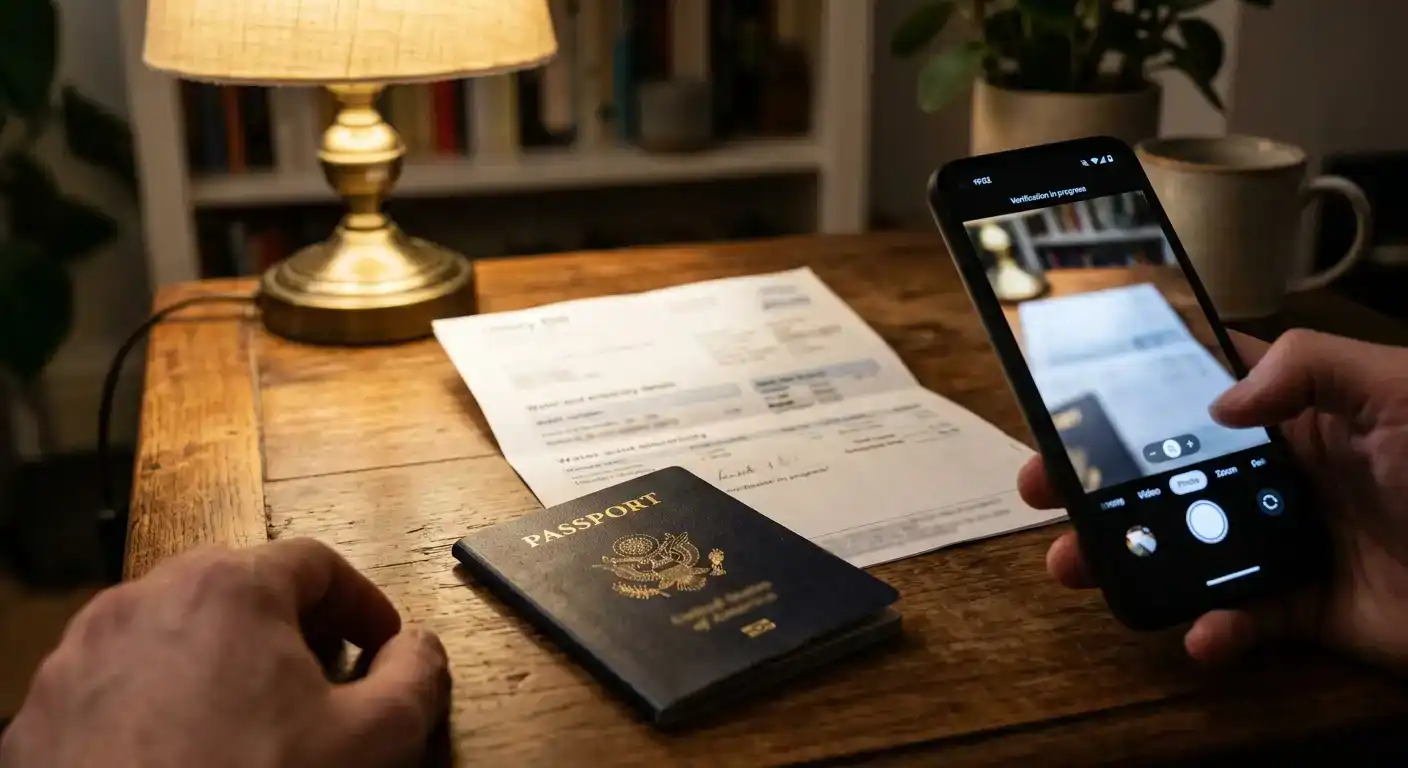
The second stage is verification. Before processing any withdrawal — and sometimes before processing the first withdrawal specifically — the operator runs KYC checks. This requires the player to submit identity documents: a government-issued photo ID (passport or driving licence), proof of address (a utility bill or bank statement dated within the last three months), and in some cases proof of payment method (a photo of the card used or a screenshot of the e-wallet account). At Britsino, verification can take anywhere from a few hours to several business days depending on the volume of requests and the quality of the documents submitted. Blurry photos, expired documents, or a mismatch between the name on the account and the name on the ID are the most common causes of delay.
The third stage is processing. Once verified, the withdrawal enters the actual payment queue. Processing times depend on the method. Cryptocurrency withdrawals are generally the fastest, often completing within 24 hours once past the verification stage. E-wallet withdrawals typically process within one to three business days. Card withdrawals can take three to five business days, sometimes longer, because the funds must pass through the banking network in reverse. Bank transfers sit at the longest end, with five to seven business days being common.
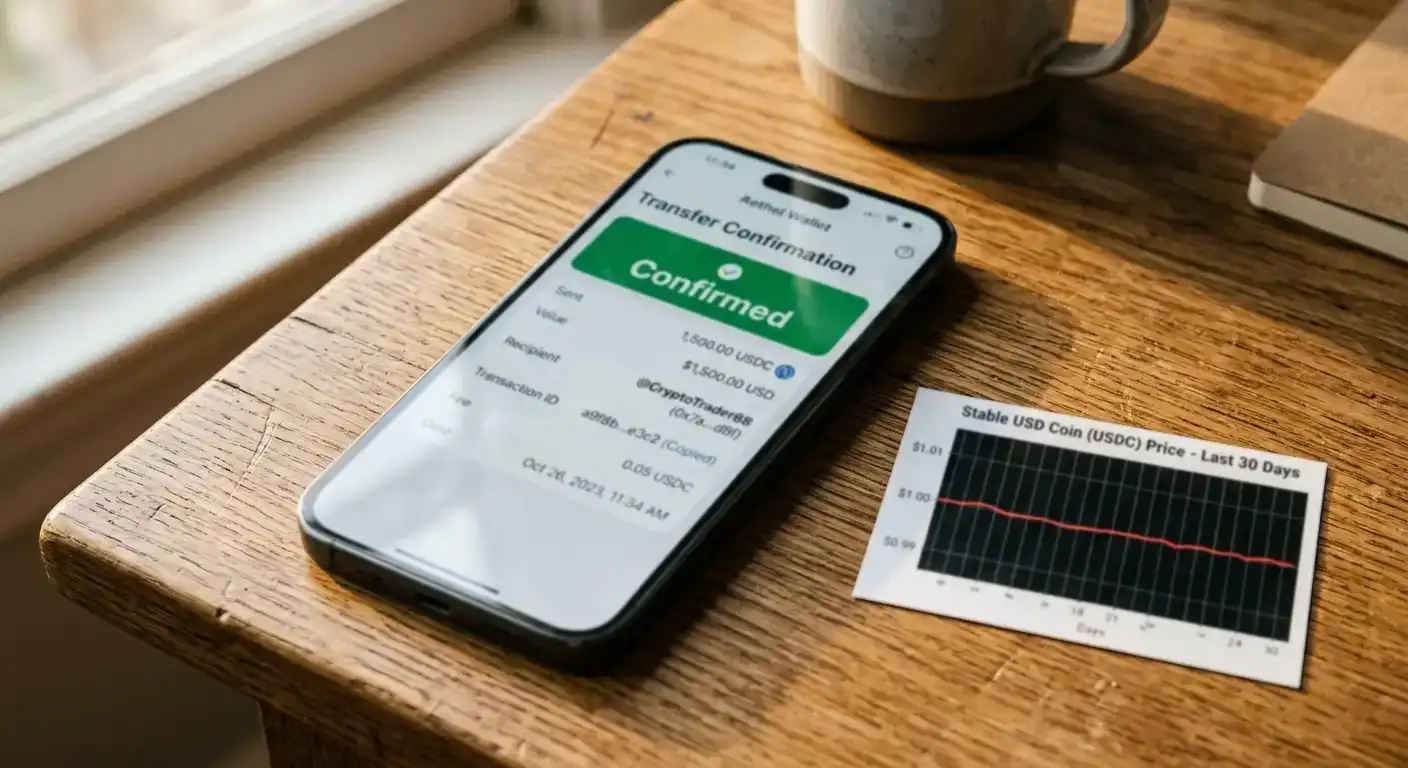
Withdrawal limits add another constraint. Most operators impose daily, weekly, and monthly withdrawal caps. If your balance exceeds the weekly limit, the withdrawal must be split across multiple weeks. The specific limits at Britsino depend on the player’s VIP tier — higher tiers receive higher limits — but the existence of any cap means a large win cannot necessarily be withdrawn in a single transaction. Stablecoins dominate crypto casino transactions, with USDT and USDC accounting for more than half of all crypto wagers in 2025, partly because they avoid the price volatility that can erode a Bitcoin withdrawal between the time it is requested and the time it arrives in the player’s wallet.
A practical tip from years of testing withdrawals across operators: submit your KYC documents before you request your first withdrawal. Most operators allow document submission at any time after registration, and completing verification proactively eliminates one entire stage of delay when you eventually want to withdraw. Players who wait until their first withdrawal to begin KYC often experience the longest wait times, because the verification queue is only triggered at that point.
It is also worth understanding the distinction between “processing time” as stated by the casino and actual receipt of funds. When Britsino says a crypto withdrawal is processed within 24 hours, that clock starts after the pending period and after KYC verification. If the pending period is 48 hours and verification takes another 48 hours, the actual time from withdrawal request to funds in your wallet could be five days or more, even though the “processing time” is technically 24 hours. Read the stated timeframes carefully and add the preceding stages to get a realistic total.
What Triggers Extended Delays and How to Avoid Them
Extended withdrawal delays — anything beyond the standard processing window — typically stem from three causes, and all three are preventable.
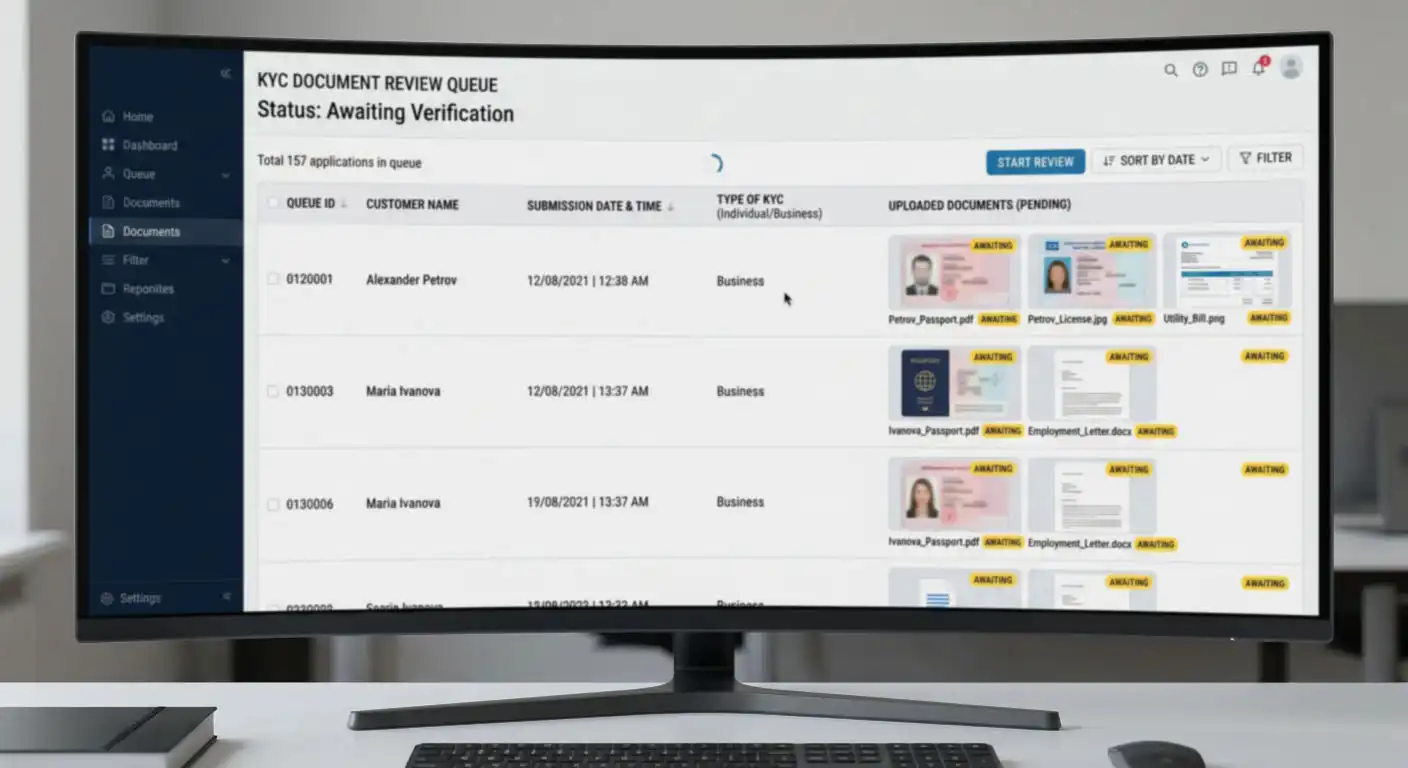
Incomplete KYC verification is the most common trigger. If your identity documents are not approved before you request a withdrawal, the operator will request them and pause processing until verification is complete. The fix is proactive: upload your documents immediately after registration, before your first deposit. I covered this process in the registration guide, and it remains the single most effective step for avoiding withdrawal friction.
Bonus term violations are the second cause. If the operator’s review identifies a potential breach — an oversized bet during wagering, play on an excluded game, or irregular betting patterns — the withdrawal enters a secondary review that can extend processing by days or weeks. The outcome of this review may be approval, partial approval, or complete forfeiture of winnings. Preventing this requires reading and following the bonus terms meticulously, particularly the maximum bet cap and game eligibility rules.
Large withdrawal amounts are the third trigger. Operators typically subject high-value withdrawals to enhanced due diligence, which can include additional identity verification, source-of-funds documentation, and manual review by a senior compliance team. The threshold for “high-value” varies by operator and is not always disclosed in the terms. If you anticipate a large withdrawal, contact support proactively to ask whether additional documentation will be required and submit it in advance.
How long does a Bitcoin withdrawal take at Britsino?
After Britsino’s internal review is complete, a Bitcoin withdrawal typically confirms on the blockchain within 10 to 60 minutes depending on network congestion. The internal review itself takes anywhere from several hours to a few business days, with first-time withdrawals generally taking longer due to KYC verification.
Can I cancel a pending withdrawal at Britsino?
Whether Britsino allows withdrawal reversal during the processing period depends on the terms and conditions. If a reverse withdrawal window exists, pending withdrawals can be cancelled and the funds returned to your casino balance. Check the withdrawal section of the terms for the specific policy.
Reverse Withdrawal Windows: The Design Feature That Costs Players Money
Here is a feature I wish more casino reviews would flag: the reverse withdrawal window. Some operators, and the terms at each casino vary, allow a pending withdrawal to be cancelled during the internal review period. The funds return to your casino balance, available for play. This is not a player-protection feature. It is a retention mechanism.
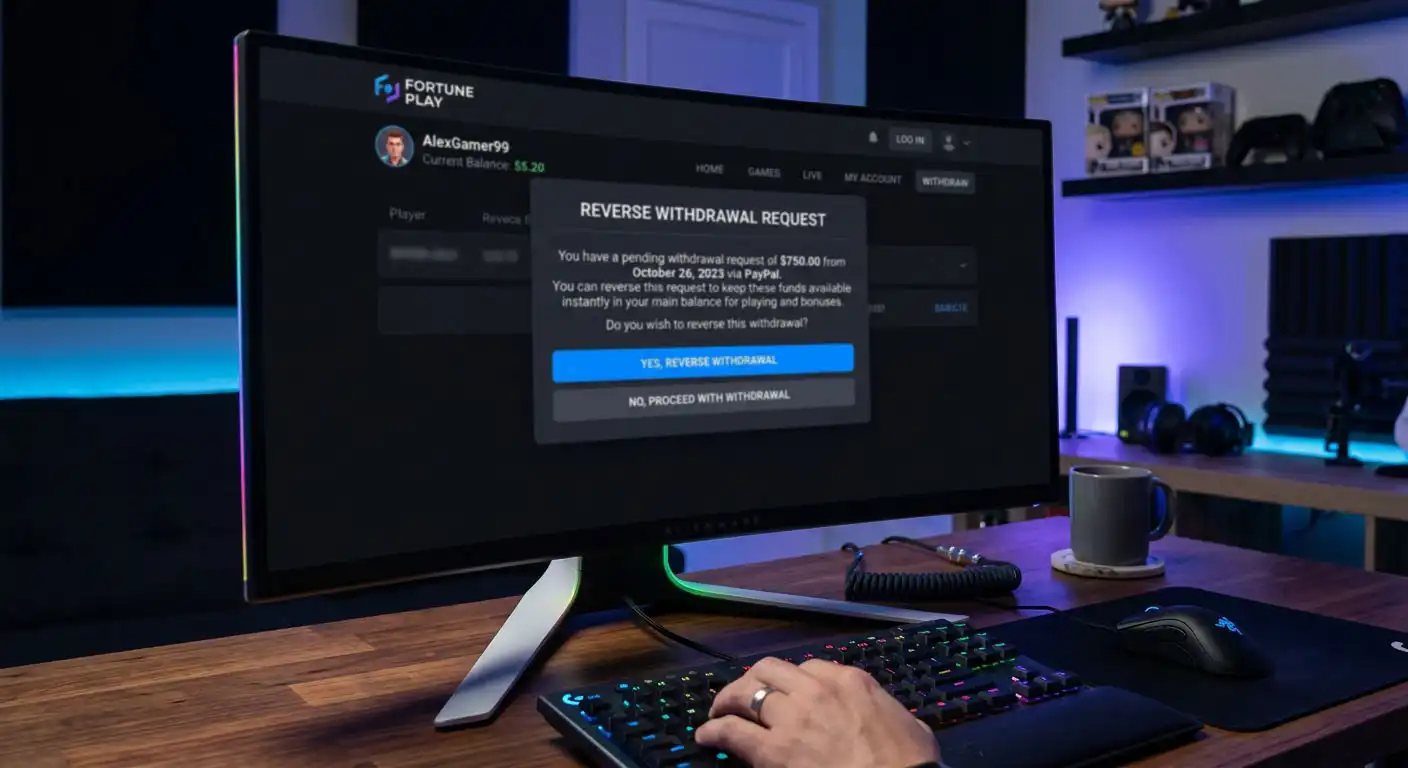
The psychology is straightforward. You request a withdrawal of three hundred pounds. The internal review takes 48 hours. During those 48 hours, you can log in, see your balance sitting there, and cancel the withdrawal with a single click. Research on gambling behaviour consistently shows that the period between requesting a withdrawal and receiving the funds is a high-risk window for resumed play. The longer that window stays open, the more likely the player is to reverse the withdrawal.
Whether Britsino implements a reverse withdrawal window, and if so, how long it lasts, is defined in the terms and conditions. If this feature exists, the most effective countermeasure is to request your withdrawal and then log out. Do not check the status repeatedly. Do not browse the game lobby while waiting. The withdrawal is a decision you already made; revisiting it while the funds are still accessible defeats the purpose.
Cryptocurrency at Britsino: Supported Coins and Transaction Flow
Three years ago, I would have described crypto deposits at online casinos as a niche option used by a technically literate minority. That description no longer holds. Global cryptocurrency ownership has surpassed 300 million, and the crypto gambling sector is projected to account for more than half of the total iGaming market volume by the end of 2026. At Britsino, cryptocurrency is not an afterthought — it is positioned as a core payment channel alongside traditional fiat methods.
The supported coins at Britsino typically include Bitcoin (BTC), Ethereum (ETH), Litecoin (LTC), and Tether (USDT). Bitcoin remains the dominant cryptocurrency in gambling transactions globally, accounting for roughly 66% of crypto wager volume. Ethereum follows at about 9%, with Litecoin at 6%. The remaining share is split across various altcoins and stablecoins, with USDT’s share growing rapidly due to its price stability.
The deposit process for crypto works differently from fiat. Instead of entering a card number, the player generates a deposit address within the casino’s cashier — a unique wallet address tied to their account. They then send cryptocurrency from their personal wallet to that address. Once the blockchain confirms the transaction (one confirmation for Litecoin, typically three for Bitcoin, and one for Ethereum-based tokens), the funds appear in the casino balance. The entire process can take anywhere from two minutes (Litecoin) to thirty minutes (Bitcoin during network congestion).

Withdrawals follow the reverse path: the player provides their personal wallet address, and the casino sends the cryptocurrency to it. For a detailed walkthrough of each coin’s deposit and withdrawal flow, the crypto-specific guide covers the process step by step.
The advantages of crypto transactions include speed (faster than bank transfers and often faster than e-wallets), lower fees on certain networks (Litecoin and USDT on the Tron network are particularly cheap), and a degree of privacy — crypto transactions do not appear on bank statements as casino transactions, which some players value for personal reasons. The disadvantages are significant and less frequently discussed. Bitcoin and Ethereum prices can move several percentage points within hours. A player who deposits 0.01 BTC when the price is £40,000 and withdraws 0.01 BTC when the price is £38,000 has lost £20 to price volatility before the house edge even enters the equation. This is why stablecoins have become the default for players who want the speed of crypto without the currency risk.
There is also the irreversibility factor. Crypto transactions cannot be reversed once confirmed on the blockchain. If a player sends funds to the wrong address, or if the casino sends a withdrawal to an incorrect wallet address, those funds are gone. There is no chargeback mechanism, no bank to dispute through, and no intermediary to petition. This finality is a feature for fraud prevention but a risk for user error.
For players new to cryptocurrency, the learning curve is steeper than the casino’s payment page suggests. Setting up a wallet, purchasing crypto through an exchange, transferring it to the wallet, and then sending it to the casino’s deposit address involves multiple steps, each with its own security considerations. Using the wrong network — sending an Ethereum token on the BNB chain, for example, or sending Bitcoin to a Litecoin address — can result in permanent loss of funds. The casino’s customer support cannot recover funds sent on the wrong blockchain. If you are not already comfortable with cryptocurrency mechanics, I would suggest practising with a small test transaction before committing your full intended deposit.
A final consideration: tax. HMRC treats cryptocurrency as an asset subject to capital gains tax. If the value of your crypto increases between the time you acquire it and the time you dispose of it (including depositing it at a casino), the gain may be taxable. Gambling winnings themselves are tax-free in the UK, but the crypto gain is separate from the gambling outcome. This creates a tax complexity that does not exist with fiat deposits. The practical impact depends on the amounts involved and your personal tax position, but it is a dimension that purely fiat players never need to consider.
Hidden Fees and Currency Conversion: What Britsino Does Not Advertise
Mike Peplow, COO of Paysecure, observed that 2025 was defined less by organic expansion in mature markets and more by the opening of new jurisdictions and technological advancements. That shift extends to payment infrastructure, where the gap between what operators advertise and what players actually pay has widened alongside the proliferation of payment methods.
Britsino’s payment page states that deposits are fee-free. This is technically accurate from the casino’s side — the operator does not deduct a fee from the deposited amount. But the total cost of a deposit includes fees charged by intermediaries that the casino has no obligation to disclose. A Visa debit card deposit may be classified by the issuing bank as a gambling transaction, triggering a cash advance fee of 2-3% plus immediate interest accumulation. An e-wallet transfer from a bank account to the e-wallet incurs the e-wallet provider’s funding fee. A Bitcoin deposit includes a network fee that varies with blockchain congestion — during peak periods, Bitcoin transaction fees have exceeded £10 for a single transfer.
Currency conversion is another hidden cost. Britsino’s base currency may not be GBP. If the account operates in USD or EUR, every GBP deposit is converted at the operator’s exchange rate, which may include a spread of 1-3% above the mid-market rate. That spread is not displayed as a fee — it is embedded in the exchange rate itself, making it invisible unless the player compares the rate they received against the real-time market rate. A £200 deposit converted at a 2.5% spread costs the player £5 before they have placed a single bet.

Withdrawal fees follow a similar pattern of partial disclosure. The casino may not charge a withdrawal fee, but the payment provider might. Crypto withdrawals incur blockchain network fees. E-wallet withdrawals may incur fees when the player transfers funds from the e-wallet back to their bank account. Card withdrawals are generally fee-free from the card network’s side, but the processing time is the longest of any method.
UKGC-licensed operators are required to provide clear information about all costs associated with deposits and withdrawals, including third-party fees where reasonably known. Curaçao-licensed operators face no equivalent transparency obligation. This does not mean Britsino is intentionally hiding fees — the intermediary fees are genuinely outside the operator’s control in many cases — but it does mean the burden of understanding the total cost falls entirely on the player. Before depositing, it is worth checking your card issuer’s policy on gambling transactions, your e-wallet’s fee schedule, and the current network fee for your chosen cryptocurrency. The casino’s “zero fees” claim describes their slice of the transaction, not yours.
I keep a simple rule when evaluating payment transparency: if I cannot calculate the total cost of a round-trip (deposit, play, withdraw) within five minutes of reading the payment page and terms, the operator is not being transparent enough. At Britsino, that calculation requires cross-referencing the casino’s terms, the payment provider’s fee schedule, and — for crypto — the current blockchain fee market. It is doable, but it requires more effort than it should, and that effort itself is a data point about the operator’s approach to disclosure.
Read our detailed review of Britsino Casino Slots and RTP: Provider List, Volatility Tiers, and How Return to Player Really Works.
What is the minimum withdrawal amount at Britsino Casino?
The minimum withdrawal amount varies by payment method and is specified in the casino’s cashier at the point of withdrawal. Crypto withdrawals may have lower minimums than fiat methods due to the absence of banking intermediary thresholds. The general minimum deposit of £20 does not necessarily correspond to the minimum withdrawal — check the cashier for the current limits on your chosen method.
Does Britsino Casino charge fees on cryptocurrency withdrawals?
Britsino does not typically deduct an operator fee on crypto withdrawals, but the blockchain network fee is deducted from the transaction amount. Network fees vary by cryptocurrency and network congestion — Bitcoin fees fluctuate significantly, while Litecoin and USDT on the Tron network tend to be consistently low. The network fee is not set by the casino and cannot be waived.
How long does Britsino Casino KYC verification take?
KYC verification can take anywhere from a few hours to several business days. The timeline depends on the quality and completeness of the documents submitted, the volume of verification requests the operator is processing, and whether any discrepancies arise between the submitted documents and the account information. Submitting clear, unobstructed photos of valid documents with matching details speeds up the process.
Can I deposit in GBP and withdraw in crypto at Britsino?
In principle, yes — you can deposit using a GBP-denominated method such as a debit card and later withdraw in cryptocurrency. However, this involves a currency conversion at some stage of the process, either at the point of deposit, at the point of withdrawal, or within the account if the casino operates in a different base currency. Each conversion may include an exchange rate spread that represents an additional cost.
Prepared by the Britsino Casino editorial staff.