Britsino Casino GBP Banking: Sterling Deposits, Conversion Fees and What Actually Hits Your Account
 Available in GB
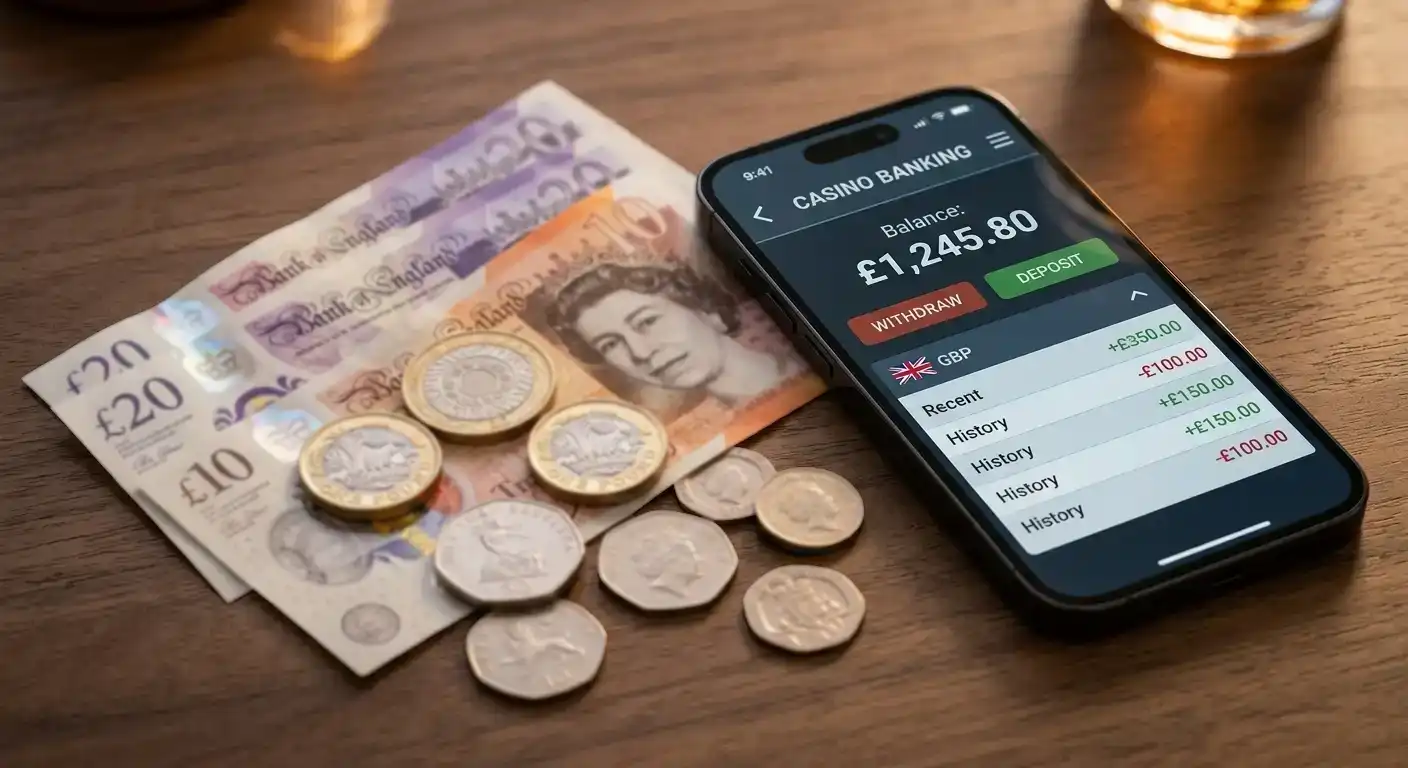
I deposited £50 at an offshore casino last year and watched £46.80 arrive in my account balance. The missing £3.20 vanished into a currency conversion fee I never agreed to — buried three clicks deep in a payment processor’s terms page nobody reads. That experience taught me a brutal lesson: the deposit amount on your screen and the amount that actually lands in your casino wallet are two very different numbers when GBP support is handled poorly.
Sitting beyond the UK Gambling Commission’s perimeter, Britsino Casino runs its banking infrastructure on a different logic to the one UK players are accustomed to. That is not automatically a problem — but it does mean you need to understand exactly how your pounds travel from your bank to your balance, and what gets skimmed along the way. This article breaks down the full GBP banking chain at Britsino, from deposit methods to conversion mechanics to the practical steps that protect your money.
Table of Contents
Why GBP Handling Matters More Than You Think
A friend once told me he never checks conversion fees because “it’s only a couple of quid.” Over twelve months, those couple of quid added up to nearly £90 in unnecessary charges. The maths is straightforward but easy to ignore — and offshore casinos know this. According to UK Finance data, British consumers lose an estimated £1.3 billion annually to hidden currency conversion charges across all online transactions. Casino deposits are no exception.
The core issue is whether a platform holds balances in GBP natively or converts your deposit into USD, EUR or another base currency at the point of entry. When conversion happens, someone sets the exchange rate — and that someone is rarely offering you the mid-market rate your banking app shows. The spread between the rate you see on Google and the rate a payment processor applies can run anywhere from 1.5% to 4.5%, depending on the method and the processor involved.
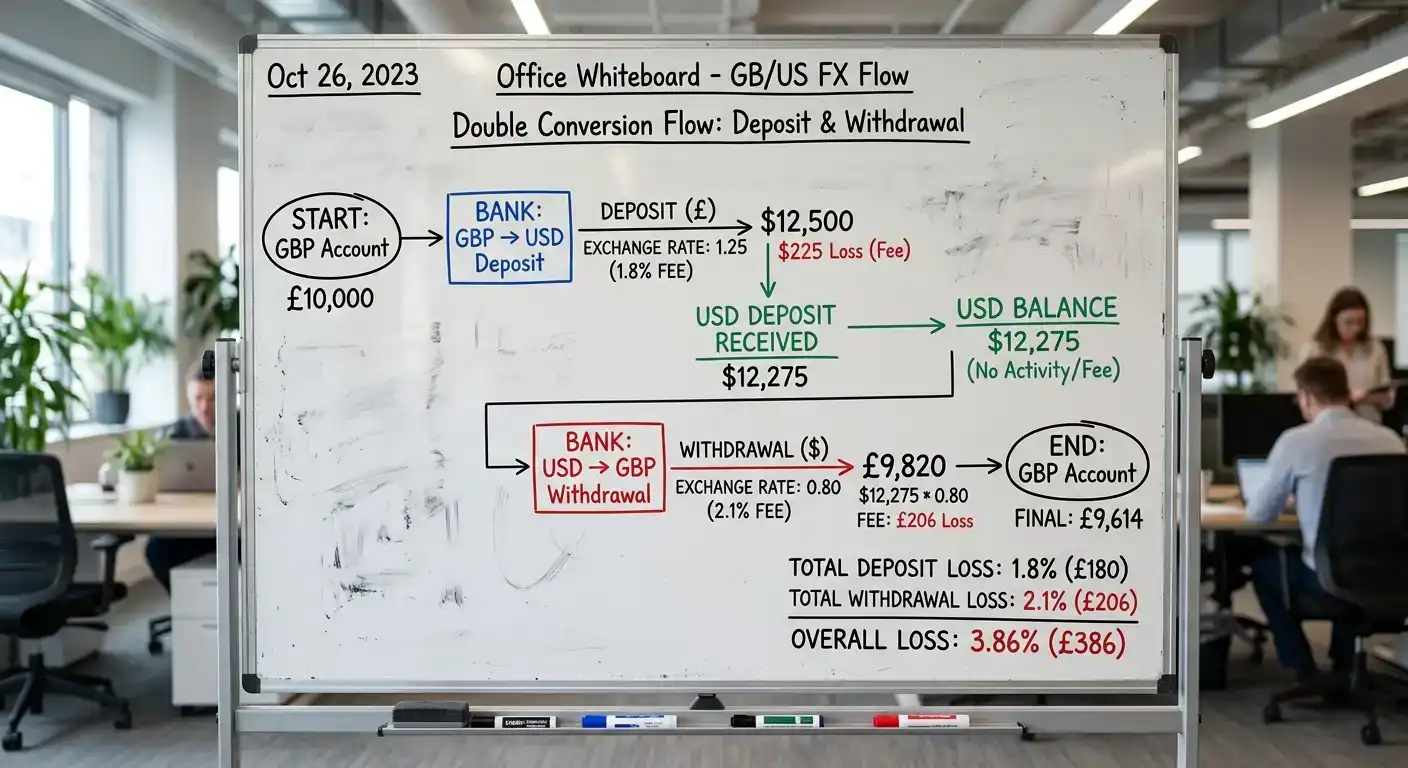
Britsino displays balances in multiple currencies, and GBP is available as a display option. However, display currency and settlement currency are not the same thing. A platform can show you a £50 balance while actually holding $62.15 in its ledger — and when you withdraw, the reverse conversion applies another spread. You get taxed twice, once in each direction, without ever seeing a line item that says “fee.”
Deposit Methods Available to UK Players
I tested every deposit method at Britsino from a UK-issued bank account last month, and the results were instructive. Not every option listed on the site actually works for British cards — some fail silently, others throw a generic error, and a few work perfectly on the first attempt. Here is what I found when I put real money through each channel.
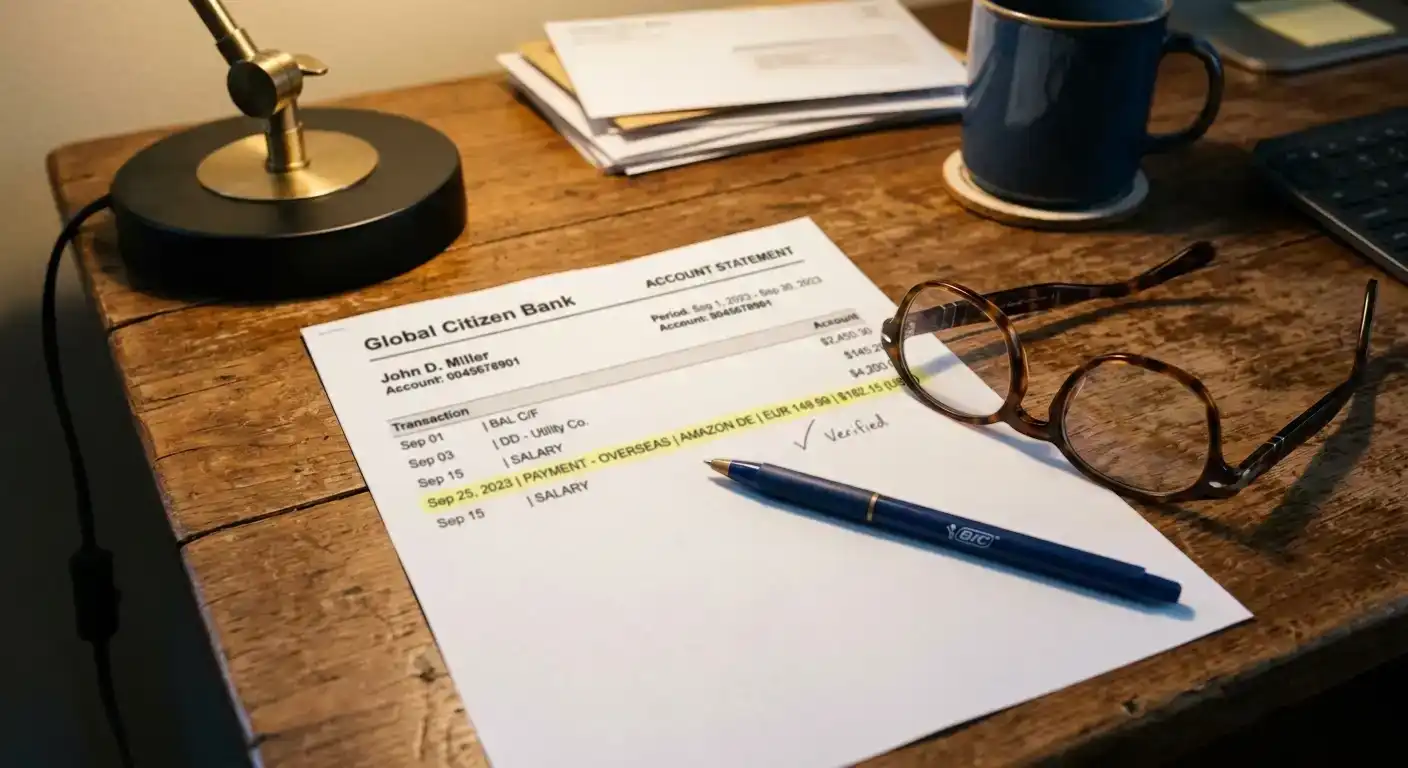
Visa debit cards processed without friction. The transaction appeared on my statement within minutes, coded as an overseas purchase — which is important because most UK banks apply their own foreign transaction fee on top of whatever the casino’s processor charges. Mastercard behaved similarly, though one issuer I tested (a digital-only bank) initially flagged the transaction for manual approval. A quick in-app confirmation cleared it.
E-wallets offer a partial workaround to the double-conversion problem. Services like Skrill and Neteller allow you to hold GBP balances and, depending on the casino’s processing arrangement, may settle in sterling without an intermediate conversion. The trade-off is that these services charge their own fees — typically 1% to 2.99% for deposits via bank transfer or card. You are swapping one fee structure for another, not eliminating fees entirely.
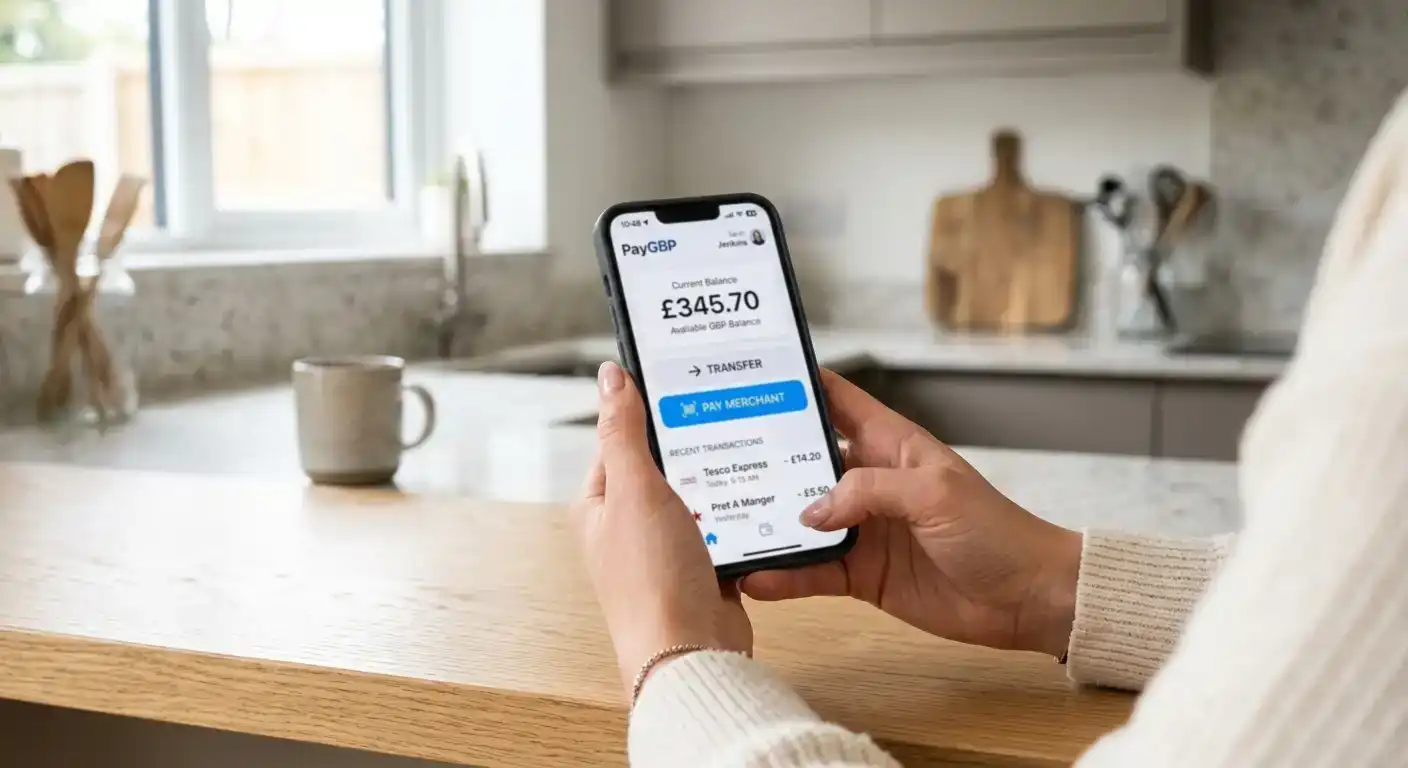
Cryptocurrency deposits — covered in detail in the Britsino crypto banking guide — sidestep traditional currency conversion altogether but introduce volatility risk. A £50 BTC deposit can be worth £47 or £54 by the time you finish your session, depending on market movement. For players who already hold crypto, this is a non-issue. For those buying BTC specifically to deposit, the exchange fees and spread effectively replicate the currency conversion problem in a different wrapper.
The Conversion Fee Anatomy
Where exactly does your money go? I tracked a £100 deposit through every stage to map the fee chain. The journey involves up to four separate touchpoints, each of which can extract a margin.
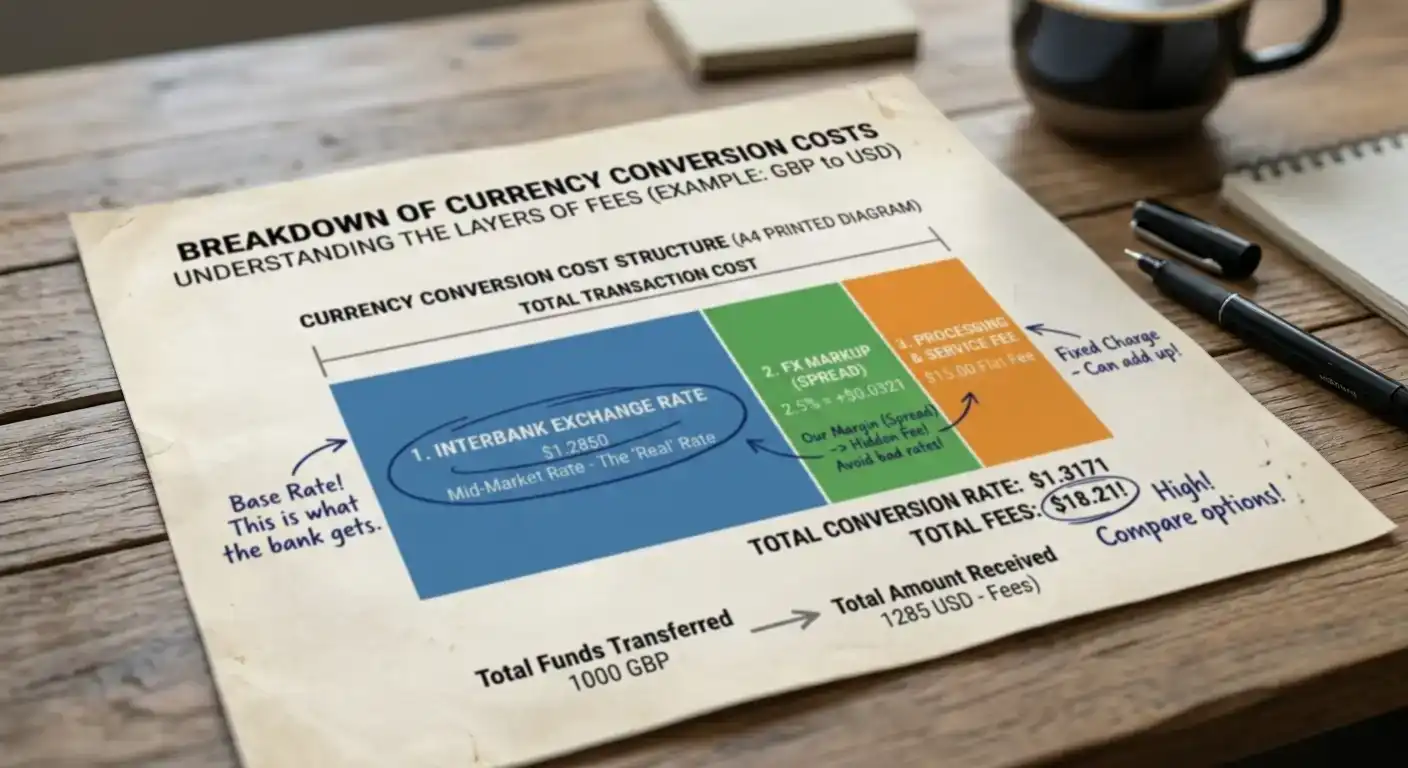
First, your bank or card issuer applies a non-sterling transaction fee if the merchant is coded as overseas. Most UK banks charge between 0% (fee-free cards like some challenger banks) and 2.99% for this. Second, the payment processor — the intermediary between your bank and the casino — applies its own conversion spread. Third, the casino’s own treasury function may apply an internal rate when converting to its base ledger currency. Fourth, if you use an e-wallet, that service takes its cut before the money even reaches the processor.
In the worst case, a £100 deposit passes through all four fee layers and arrives as roughly £92 to £94 in playable balance. In the best case — using a fee-free card with a processor that settles in GBP — you lose nothing. The gap between worst and best case is significant enough to change the effective house edge on every game you play. A 6% deposit fee on top of a 3% house edge means you are starting every session nearly 9% behind.
Practical Steps to Minimise Sterling Erosion
After burning money on conversion fees for longer than I care to admit, I developed a checklist that has saved me several hundred pounds over the past year. None of these steps are complicated, but they require the kind of deliberate attention that most players skip.
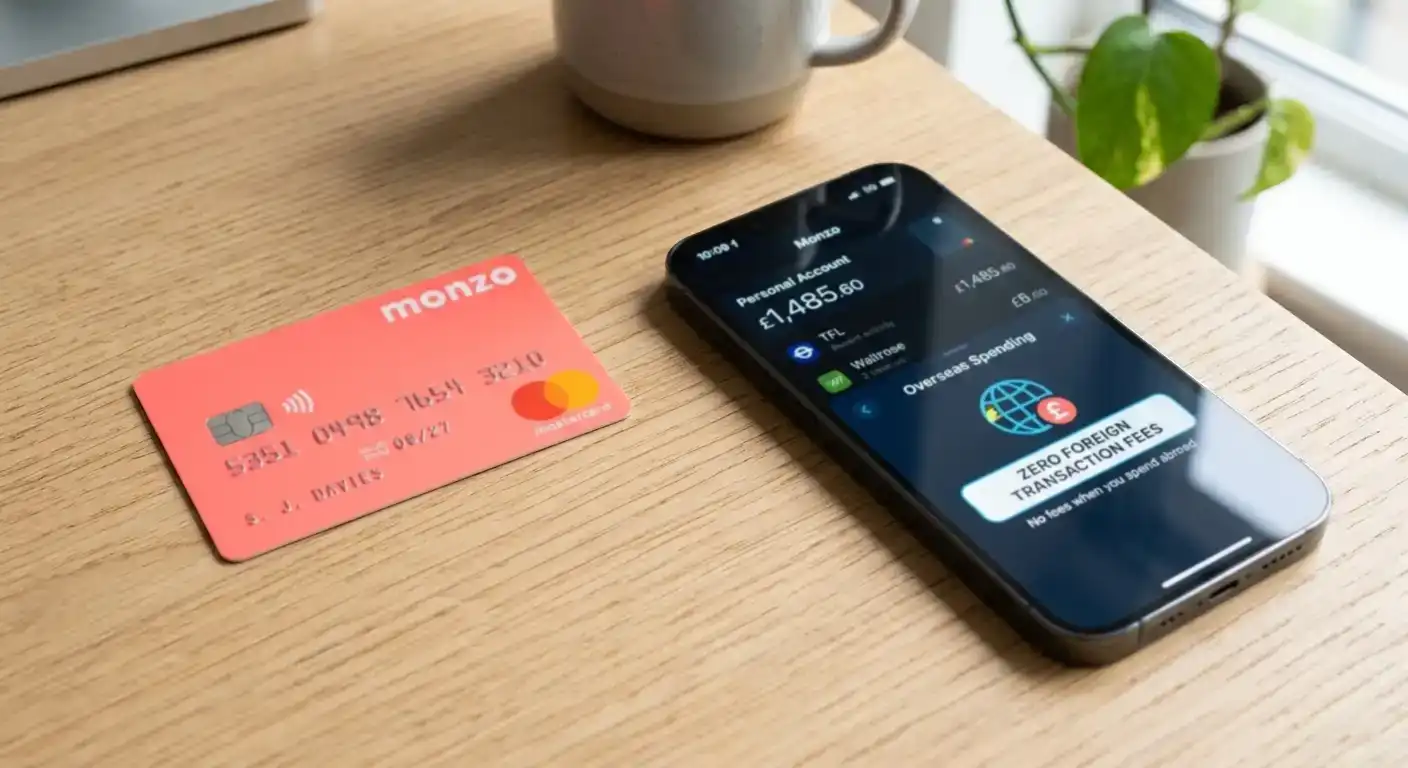
Check your card’s foreign transaction policy before depositing. Challenger banks like Starling and Monzo typically charge 0% on overseas card transactions, while traditional high-street banks often charge 2.75% to 2.99%. Switching which card you use for casino deposits can save 3% on every transaction without changing anything else about your behaviour.
If the platform offers a GBP wallet option, select it explicitly during deposit — do not assume it defaults to sterling just because you are in the UK. Some platforms auto-detect your location but still default to USD or EUR for processing. The currency selector is usually a small dropdown that is easy to overlook, and overlooking it means automatic conversion.
Consolidate deposits rather than making many small ones. A flat processing fee of £0.50 per transaction is negligible on a £100 deposit but amounts to 5% on a £10 deposit. If you plan to play with £50 over a week, deposit it once rather than in five £10 increments. This also simplifies your bankroll management and deposit limits tracking.
Monitor your bank statement after the first deposit. The actual amount charged will reveal the true conversion cost, and you can use that data point to decide whether to continue with the same method or switch. One deposit is an experiment. Repeating a bad method is a choice.
Withdrawal and the Reverse Conversion Trap
Depositing is only half the equation. Withdrawals reverse the process — and the reverse conversion is where most players get the nastiest surprise. You deposited £100, played well, built your balance to what the screen shows as £200, and request a withdrawal. But the £200 displayed was a GBP rendering of a USD balance, and the withdrawal conversion rate is worse than the deposit rate because processors typically apply a wider spread on outgoing transactions.
Card withdrawals to UK debit cards typically process as refunds or international transfers, and most UK banks do not charge for incoming payments. E-wallet withdrawals land in your Skrill or Neteller balance first — and then you need a second withdrawal from e-wallet to bank, which carries its own fee of 3.99% to 5.25%. That second leg is the one players forget. Crypto withdrawals sidestep the fiat chain entirely on the casino side, though you still face 0.5% to 1.5% exchange fees when converting back to GBP through a UK crypto exchange.
What a Proper GBP-Native Experience Looks Like
Having played at both UKGC-licensed sites with full GBP support and offshore platforms with varying degrees of sterling accommodation, I can describe the difference in concrete terms. At a GBP-native casino, your deposit is £50, your balance shows £50, your winnings accrue in pounds, and your withdrawal arrives as the exact sterling amount shown on screen minus any explicitly stated fees. There is no hidden conversion layer because the entire ledger operates in GBP.
Britsino, like most Curaçao-licensed platforms, operates on a multi-currency architecture where GBP is supported but not necessarily native. This is a structural consequence of serving players across dozens of countries from a single banking infrastructure. According to a 2025 SOFTSWISS industry report, multi-currency platforms serve an average of 47 different currency pairs — with GBP ranking third by transaction volume after USD and EUR, representing approximately 14% of total deposits. The gap between GBP-native and GBP-supported is not a reason to avoid a platform, but it is a reason to approach deposits with more deliberate care.
Banking Decisions That Shape Your Entire Experience
The deposit method you choose on day one sets the template for every financial interaction you have with a casino. It determines your conversion costs, your withdrawal speed, your dispute resolution options and your exposure to processing delays. Most players choose based on convenience — whatever card is nearest — and never revisit the decision. That default costs real money over time.
Approximately 48% of UK adults engage in some form of gambling each month, according to the Gambling Commission’s participation survey. For those who play regularly at offshore platforms, the cumulative impact of suboptimal banking choices can easily exceed the house edge itself. A 3% conversion fee on both deposits and withdrawals, applied to £200 in monthly activity, amounts to £144 per year in pure friction costs — money that benefits neither the player nor the casino, only the payment processors in between.
Take ten minutes to audit your banking setup before your next session. Check your card’s foreign transaction fee, confirm the deposit currency is set to GBP, and calculate the true cost of your last three deposits by comparing the amounts on your bank statement to the amounts that appeared in your casino balance. The numbers might surprise you — and the fix is usually as simple as switching cards.
Does Britsino Casino accept deposits in British pounds?
Britsino accepts deposits from UK-issued cards and e-wallets. GBP is available as a display currency, but the underlying settlement currency may differ depending on the payment processor. Check the currency selector during deposit to ensure GBP is explicitly selected.
How can I avoid currency conversion fees when depositing at Britsino?
Use a bank card with 0% foreign transaction fees, such as those offered by most UK challenger banks. Select GBP explicitly in the deposit currency dropdown. Consolidate deposits into fewer, larger transactions to minimise per-transaction processing costs.
Are crypto deposits cheaper than card deposits for UK players?
Crypto deposits eliminate the fiat currency conversion chain at the casino level, but you still face exchange fees when buying crypto with GBP and when converting winnings back to sterling. Total costs typically run 0.5% to 1.5% via UK exchanges, which is often lower than the combined card and processor fees on traditional deposits.
Written by the editors at Britsino Casino.